2021年1月7日木曜日

② 2021年1月6日 鶴岡八幡宮 / Tsurugaoka Hachimangū Shrine, 6th of January, 2021

目次 / Contents
1) 参拝後 / After Worship
2) 鎌倉文化華館 / Kamakura Bunkakan
3) 旗上弁財天社 / Hataage Benzaiten Shrine
4) 源氏池の鳥 / Birds in Genji Pond


1) 参拝後 / After Worship
鶴岡八幡宮境内を歩くことはあっても、本殿前の階段を登って、
参拝することはなく、何年もたっていました。

今回は、年の初めと言うことと、八幡様の近くに用事でゆくし、コロナ禍で気弱になっていたこともあり、参拝しておこうと言う気持ちになりました。

Rと共に、参拝を終えて、行く途中で目に止まった"鎌倉文化華館"カフェへ向かいました。
参拝については前回のセクション(下記)。
Tsurugaoka Hachimangū Shrine
Precinct Map

After Worship
Even though I had walked in the precincts of Tsurugaoka Hachimangū Shrine, I didn't climb the steps in front of the main shrine and worship, and it had been many years.

This time, it was the beginning of the year, and I went to do things near the Shrine, and I felt faint‐heartedness by the corona pandemic, so I felt like going to worship.

After worshiping with my husband R, we headed to the "Kamakura Bunkakan" Cafe that caught our eyes on the way.
About our worship in the previous section, below.


2) 鎌倉文化華館 / Kamakura Bunkakan
昨年末になって、神奈川県立近代美術館旧鎌倉館が2016年に神奈川県から鶴岡八幡宮に無償譲渡され2019年より
"鎌倉文華館 鶴岡ミュージアム"
として運営されていることを知りました。

元々、土地は鶴岡八幡宮の所有です。

その数日後のこの日に、参拝に来て、実際に
"鎌倉文華館 鶴岡ミュージアム"を見ました。
"鎌倉文化華館"カフェ
混んでいたので入店しませんでした。

"Kamakura Bunkakan" Cafe 
We didn't enter because it was crowded.

Kamakura Bunkakan
The end of last year, I found out that the former Kamakura-kan of the Museum of Modern Art, Kamakura was transferred from Kanagawa Prefecture to Tsurugaoka Hachimangū Shrine for free in 2016, and has been operated as
"Kamakura Bunkakan Tsurugaoka Museum" since 2019.

Originally, the land was owned by the Shrine.

A few days later, on this day, we came to worship and actually saw the "Kamakura Bunkakan Tsurugaoka Museum".


"鎌倉文華館 鶴岡ミュージアム"
坂倉準三 (サカクラ ジュンゾウ/ 1901 - 1969) 設計
坂倉準三は、
モダニズム建築の巨匠、ル・コルビュジエ (1887 -1965)
に師事しました。
この建物は師匠の影響を多大に受けているのがわかります。

"Kamakura Bunkakan Tsurugaoka Museum" 
Design by Junzo Sakakura (1901 - 1969)
Junzo Sakakura studied under Le Corbusier (1887 -1965),
a master of modernist architecture.
I can see that this building is greatly influenced by the master.


右上の写真は、坂倉とル・コルビュジエでしょうか?
Is the photo on the upper right Sakakura and Le Corbusier?


Rは日本語が理解できないので、
彼にはこの展覧会は楽しめないと思って入館はしませんでした。

"Tsurugaoka Hachimangū and Literary People Exhibition"
R doesn't understand Japanese,
I thought he couldn't enjoy this exhibition,
so we didn't enter.


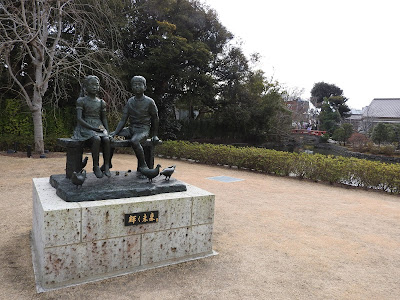
"輝く未来" 像
冨永 直樹 (トミナガ ナオキ / 1913 - 2006) 作

"Glorious Future" Statue
By Naoki Tominaga (1913 - 2006)

左に鎌倉文華館、正面がカフェ、右へ行くと参道です。

The Kamakura Bunkakan is on the left, the cafe is behind 
and the approach is on the right.


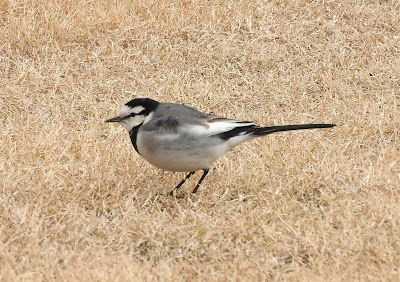
セキレイ
私はセキレイは細長い印象だったのですが、
この子はプクプクしています。
顔が可愛い。

Wagtail
I had the impression that Wagtail was slender, but this is plume.
This has a cute face.
空気のコートで膨らんでいるだけでしょうか?
Is it just inflated with an air coat?


平家池を文華館側から見る
  Heike Pond from Bunkakan Side


中之島から文華館を見る
Bunkakan from Nakanoshima Island


平家池 / Heike Pond


3) 旗上弁財天社 / Hataage Benzaiten Shrine
源氏池
旗上弁財天社 (ハタアゲベンザイテン) は、
源氏池の島にあります。

Genji Pond
Hataage Benzaitensha Shrine is located 
on an island in the Genji Pond.
Hata means a flag in Japanese and 
Hataage means raising flags in Japanese.


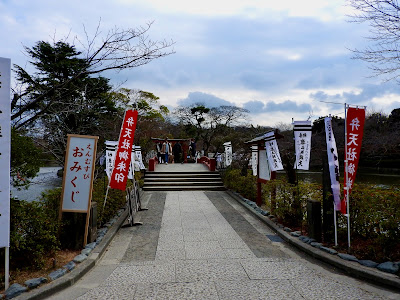
旗上弁財天社へ 
旗上弁財天社は、以前よりもたくさんの旗がありました。
これは年始だからでしょうか?
それとも根本的に多くなったのでしょうか?

To Hataage Benzaiten Shrine
Hataage Benzaitensha Shrine had more flags than before.
Is this because it's the beginning of the year?
Or is it fundamentally more?


旗上弁財天社
見学はしましたが、お参りはしませんでした。

Hataage Benzaiten Shrine
We visited there, but we didn't worship.


政子石
'政子石' が弁財天の裏にあると初めて知りました。
この時は、一体これがどんな意味を持つのかを知りませんでした。
政子は北条政子 (1157 - 1225) に由来するのだとは思いましたが
北条政子に関する基本的な知識不足で
石との関連が想像できませんでした。

神社のサイトによると
"政子石は、夫婦円満の祈願石で姫石ともいいます。"
と言うことでした。
それでもやはり、よくわかりません。

Masako Stone
For the first time, I found that 'Masako Stonei' is behind Benzaiten.
At this time, I didn't know what this meant.
I thought that Masako was derived from Hōjō Masako (1157 - 1225).
I couldn't imagine the relationship with a stone 
due to lack of basic knowledge about Hōjō Masako.
According to the site of the shrine, 
"Masako Stone is a stone for praying for marital bliss 
and is also called Himeishi."
Still, I'm not sure.


カラフルなおみくじ
Colouful O-mikuji

O-mikuji are random fortunes written on strips of paper 
at 
Shinto shrines and Buddhist temples.


春のサイン
梅が咲き始めていました。

Spring Sign
Ume : Prunus Mume were starting to bloom.


4) 源氏池の鳥 / Birds in Genji Pond
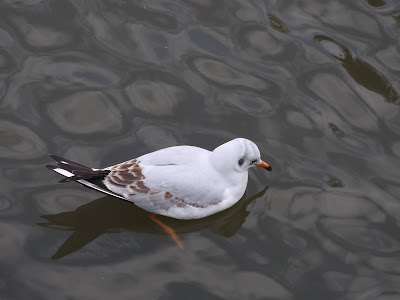
カモメ / Seagull
この池で初めてカモメを見ました。
羽がふっくらしているのは冬のせい何か、
この子が幼鳥なのかわかりません。


I saw seagulls for the first time in this pond.
I don't know if the feathers are plump because of winter 
or if this is a young bird.


カモメとカモが一緒
鎌倉では珍しい光景に私には感じられます。
冬の源氏池では、よく見られるのでしょうか?

Seagulls and Ducks Together
For me this is the rare sight in Kamakura.
Is it often seen in Genpei Pond in winter?


幼鳥? / Young Bird?


カモ / Duck
鎌倉でよく見かけるカモとちょっと違うような気がします。
頭がこげ茶で、ビロードのような質感に見え、
それが珍しく感じます。

I feel that they are a little different from the ducks that
I often see in Kamakura.
They have dark brown heads and look like a velvety texture
which I feel unusual.


カモの家族? / Duck Family?


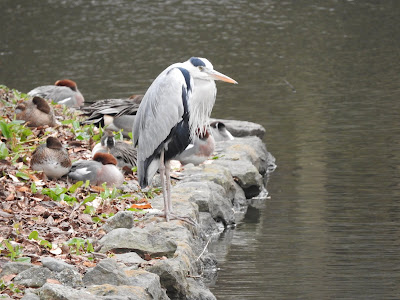
サギ / Heron 
久しぶりにサギを見ました。
これはアオサギだと思います。
後ろではカモが寝てます。

I saw a heron for the first time in a long time.
I think this is a gray heron.
Ducks are sleeping behind.

同じサギなのかはわかりませんが、
鶴岡八幡宮 では時々サギは見かけます。
このサギは寒そう....高齢にも見えます。
一見置き物のようですが、目を開けたり閉じたりしています。

I don't know if they are the same heron,
but I sometimes see herons at the Shrine.
This heron looks cold .... and looks old.
At first glance, it looks like a figurine,
but it opens and closes its eyes.

とても久しぶりに、鶴岡八幡宮 をお参りし、境内の様々な物を旅行者の気持ちで眺めました。

心身ともに清められた気持ちになりました。

次回、条件が許せば、鎌倉文花館、カフェやミュージアム・ショップにも行きたいですね〜。


After a long time, I visited Tsurugaoka Hachimangū Shrine, and saw various things in the precincts with the feelings of a tourist.

It made me feel purified both physically and mentally.

Next time, if conditions permit, I would like to go to Kamakura Bunkakan, the cafe and a museum shop.

2021年1月6日水曜日

① 2021年1月6日 鶴岡八幡宮 / Tsurugaoka Hachimangū Shrine, 6th of January, 2021

目次 / Contents
1) 鶴岡八幡宮へ / To Tsurugaoka Hachimangū Shrine
2) 段葛 / Dankazura
3) 参道 / Approach to the Shrine
4) 舞殿 / Dance Hall
5) 本殿へ / To Main Building


1) 鶴岡八幡宮へ 
    To Tsurugaoka Hachimangū Shrine
様々な雑事を片付けに、夫Rと揃って外出しましたが、それぞれの
目的が違うので、前半は、別行動でした。

二人そろったところで、鶴岡八幡宮にお参りに向かいました。
公式サイト : /

鶴岡八幡宮には、昨年の6月に源平池のところまではゆきましたが、お参りはしませんでした。
昨年6月の訪問 (下記)

なので、お参りするのは、とても久しぶりでした。

昨年6月に比べると、今回の人出はだいぶ多くありました。


To Tsurugaoka Hachimangū Shrine
I went out with my husband R to do various things, but since each purpose was different, the first half we separated.

When we got together, we headed to Tsurugaoka Hachimangū Shrine.
Official Website :  in English

We went to Tsurugaoka Hachimangū Shrine in June of last year to Genpei Pond, but I (we) didn't worship.
Last Visit, below.
So it's been a long time since I (we) visited.

Compared to June last year, the number of people this time was much higher.


2) 段葛 / Dankazura
二の鳥居
左右の狛犬がマスクをしていたので、笑いました。
マスクは、八幡様のマークの鳩の刺繍入りです。
参拝の際の注意事項が鳥居の右下にあり、マスク着用も事項の中に入っています。
狛犬のマスクはマスク着用を促すものでもありますし、
笑いを誘って気持ちをほぐす役目もあるのでしょう。

このアイディアは良いな〜と思いました。

Ni-no-Torii : Second Gate
Komainu : Lion-dogs : Guardian Dogs on the left and right are wearing masks, 
so I laughed.
The masks have been embroidered with pigeons marks of the Shrine.
At the bottom right of the gate, there are notes for people on their worship, 
and wearing a mask is also included in the notes.
Komainu's masks encourage people to wear the mask, 
and it may also have the role of inviting laughter and relaxing the feelings.
I thought this idea was good.


左の狛犬 / KOMAINU on the Left 


右の狛犬 / KOMAINU on the Right


段葛 
段葛は、二の鳥居から鶴岡八幡宮までの高い歩道です。
段葛は2014年より、改修工事が行われ、2016年に完成しました。
もう5年も前ですが、まだ、'新しい段葛'と呼んでしまいます。
鎌倉時代 (1183/ 1185  / 1192 - 1333) から続く、
'一の鳥居' から鶴岡八幡宮に向かうにつれて、

道幅が徐々に狭くなっている造りは、現在も踏襲されています。
遠近法によって実際の距離より長く見えるようになっています。
この造りは、鎌倉幕府が攻め込まれるのを防ぐためのものでした。
段葛は神社の境内の扱いで、神社の私道です。
 
Dankazura
Dankazura is a high sidewalk from Ni-no-Torii 
to Tsurugaoka Hachimangū Shrine.
Dankazura had been undergoing renovation work since 2014 
and was completed in 2016.
It's been five years ago, but I still call it 'New Dankazura'.
The structure has been kept 
since the Kamakura period (1183 / 1185  / 1192 - 1333),
 where the width of the road gradually narrows
 from 'Ichi-no-Torii : First Gate' to the Shrine, 
and is still being followed.
The perspective makes it looks longer than it actually is.
This structure was to prevent the Kamakura Shogunate 
from being attacked.
Dankazura is treated as the precincts of the Shrine
 so it is a private path of the Shrine.


狛犬を後ろから
大通りは若宮大路、この先に '一の鳥居' があり、
その先には相模湾があります。

Komainu from Behind
The main street is Wakamiya Ōji,
and there is Ichi-no Torii : First Gate ahead,

 and Sagami Bay beyond.


伝統的な鎌倉の地域地図
暗い色は平地を示します。

Traditional Kamakura Area Map
The darker colour indicates flat land.
画像は下記より/ This from below

段葛を歩きます。

行き交う人は、ほどほど...。昨年6月よりは人出があるのを感じました。


Walk through Dankazura.

The people who come and go are moderate ... I felt that there were more people than June last year.


3) 参道 / Approach to the Shrine
太鼓橋から本殿を見る

View the Main Shrine : Main Building
from the Taiko Bridge : 
Arch Bridge 


境目
この赤い橋 (昔は太鼓橋) は境目なのです。
橋を渡って境内へ入るとことは
俗界から神域へ入ることだったのだと言うことに、
今になって気がつきました。
鎌倉時代には、防御の役割も果たしていたのかもしれません。

Boundary
This red bridge (formerly Taiko Bridge) is the boundary.
I now realize that crossing the bridge 
and entering the precincts meant 
entering 'the sanctuary' : 'God area' from the world.
It may have also been defensive during the Kamakura period.


Tsurugaoka Hachimangū Shrine
Precinct Map


屋台は少し出ています。
昨年6月よりは人もお店も多く感じます。

There are a few food stalls.
I feel more people and shops than last June.


三機のヘリコプターが鶴岡八幡宮上空を飛んでいます。

Three helicopters are flying over Tsurugaoka Hachimangū Shrine .


流鏑馬 (ヤブサメ) の時に使用される道です。
上の写真
が東、が西の道で、馬は東から西へ走り抜けます。

This is the road used during Yabusame.
The road is east 
above and west below,
and horses run from east to west.


According to Wiki about Yabusame,
"Yabusame is a type of mounted archery 
in traditional 
Japanese archery."


流鏑馬・鶴岡八幡宮, 2014
Yabusame at Tsurugaoka Hachimangū Shrine, 2014

画像は下記より/ This from below


流鏑馬・鶴岡八幡宮, 2010
Yabusame at Tsurugaoka Hachimangū Shrine, 2010
画像は下記より/ This from below


手水舎
手水舎 (チョウズヤ) に柵が廻らされています。
どこで手を洗うのかしら?それとも洗わないの?と
疑問に思っていましたら、

手前にコロナ対策の臨時の手水の竹筒が設置されていました。

Chōzu-ya
A fence is laid around the Chōzu-ya which 
 is a Shinto water ablution pavilion for a ceremonial purification rite.
I was wondering, "Where do we wash our hands? 
or do we not wash them? "
And then I found there is a temporary bamboo tube 
for corona countermeasures next to Chōzu-ya.


手水舎では通常、柄杓 (ヒシャク)が使用されますが、
ここではコロナの影響で現在は使用されていません。

People usually use dippers in Chōzu-ya, 
although here, people can't use them
due to the influence of the corona.


一時的な造りでシンプルですが、なかなか上品です。

It's a temporary structure and simple, but it's quite elegant.


4) 舞殿 / Dance Hall
舞殿で祈祷が行われていました。
手前が舞殿、その上に本殿があります。

A prayer ceremony was being held in the Maiden :  Dance Hall.
The Dance Hall is in the foreground, and the main shrine is above it.


神社に初穂料 (ハツホリョウ) を添えて
申し込みをするとここに上がり、
神主 (宮司ではないと思いますが) さんが
祈祷してくださいます→

If you apply to the shrine with ceremony fee (Hatsuho-ryo), 
you will come up here and a priest will pray.


5) 本殿へ / To Main Building

階段下の狛犬にもマスク!
Masks! for Komainu under the steps.


マスクが狛犬になかなか似合っていると
思うのは私だけ?

Am I the only one who thinks the masks go well
on Komainu?


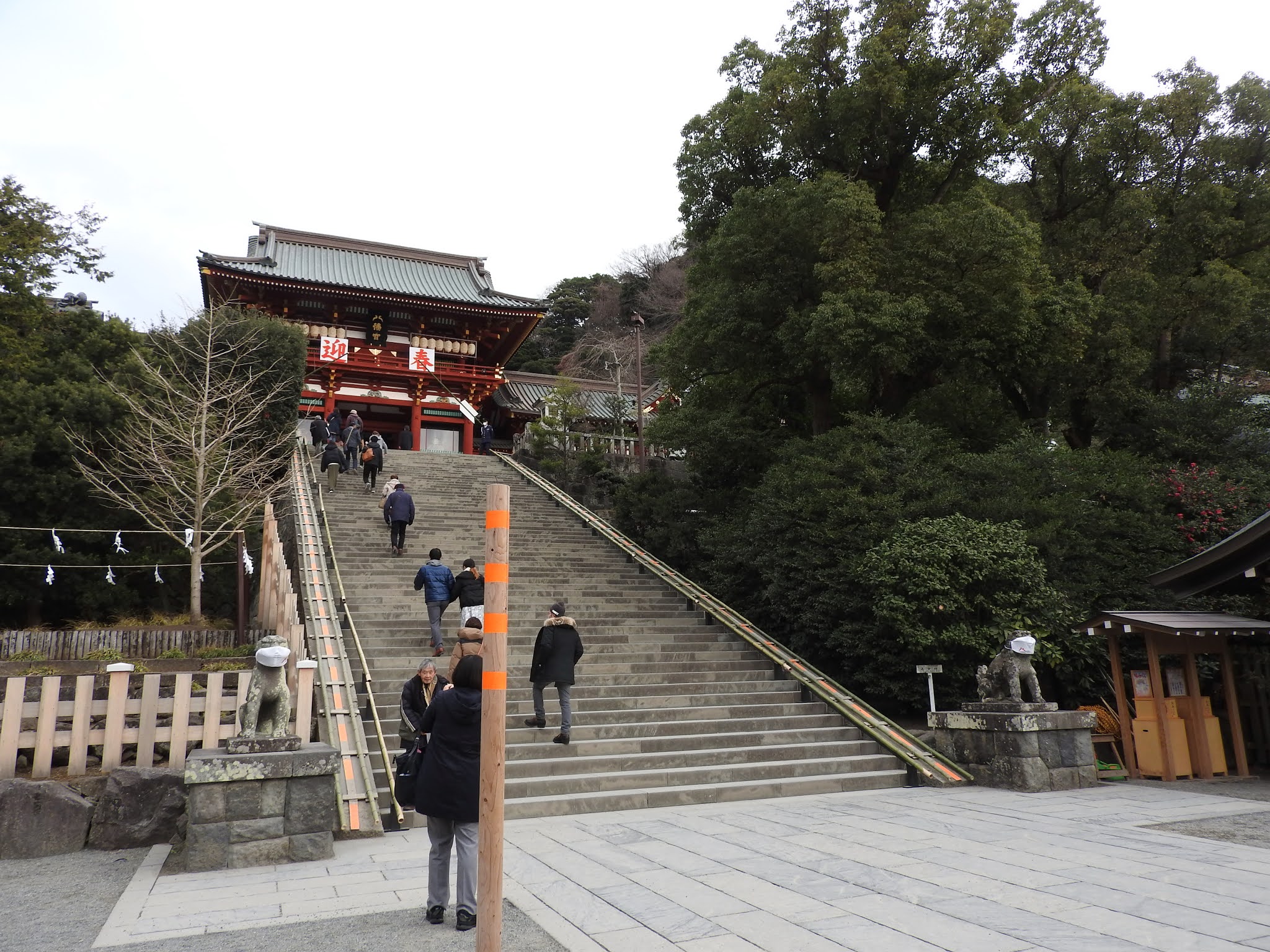
階段から
階段を登りました。
運動不足なので、ちょっときつい...

From Step
I climbed the steps.
It was a little hard work for me 
because I don't have enough exercise ...


本殿
本殿内は撮影禁止。
ここでお参りします。
ここはいくらか混んでいるので、
後ろの方でお参りをすまそうとしたら、

Rが正面の一番前でお参りしたがったので、そうしました。
彼がこんな風に希望することは珍しいです....
真剣にお願いすることがあったのですね、きっと。
実は私も...
ここ何年も神社では世界平和しか祈っていませんでした。
でも今回は私的なことを祈ってしまいました。

Main Building 
Photographing is prohibited in the main shrine.
we pray here.
It was a little crowded here,
 though I thought we would pray behind some people, 
 R would worship in first line at the centre front, so we did.
It was very rare he had hope like this.
I'm sure he had a serious hope.
Actually me too ...
For many years, I have only prayed for world peace in shrines.
However, this time I prayed for something private.
巨大な破魔矢
巨大な破魔矢(ハマヤ)は左右に設置されていました。
以前お参りした時にはなかったと思います。
今年からなのか、どうかはわかりません。
破魔矢は魔除 (マヨケ) と思っていましたが一年の好運を
射止める縁起物でした。
ですが一部では邪気払い (ジャキバライ) の意味はあるようです。
なので魔除として購入する方もいると思います。

Huge Hamaya
Huge Hamaya : Arrows  were installed on the left and right.
I don't think they were there when I visited before.
I don't know if they are from this year.
I thought Hamaya was a demon killing arrow, 
but it was a lucky charm that caught the good luck of the year.
However, it seems that there is some meaning to dispel evil spirits.
So I think some people buy it as an Amulet.


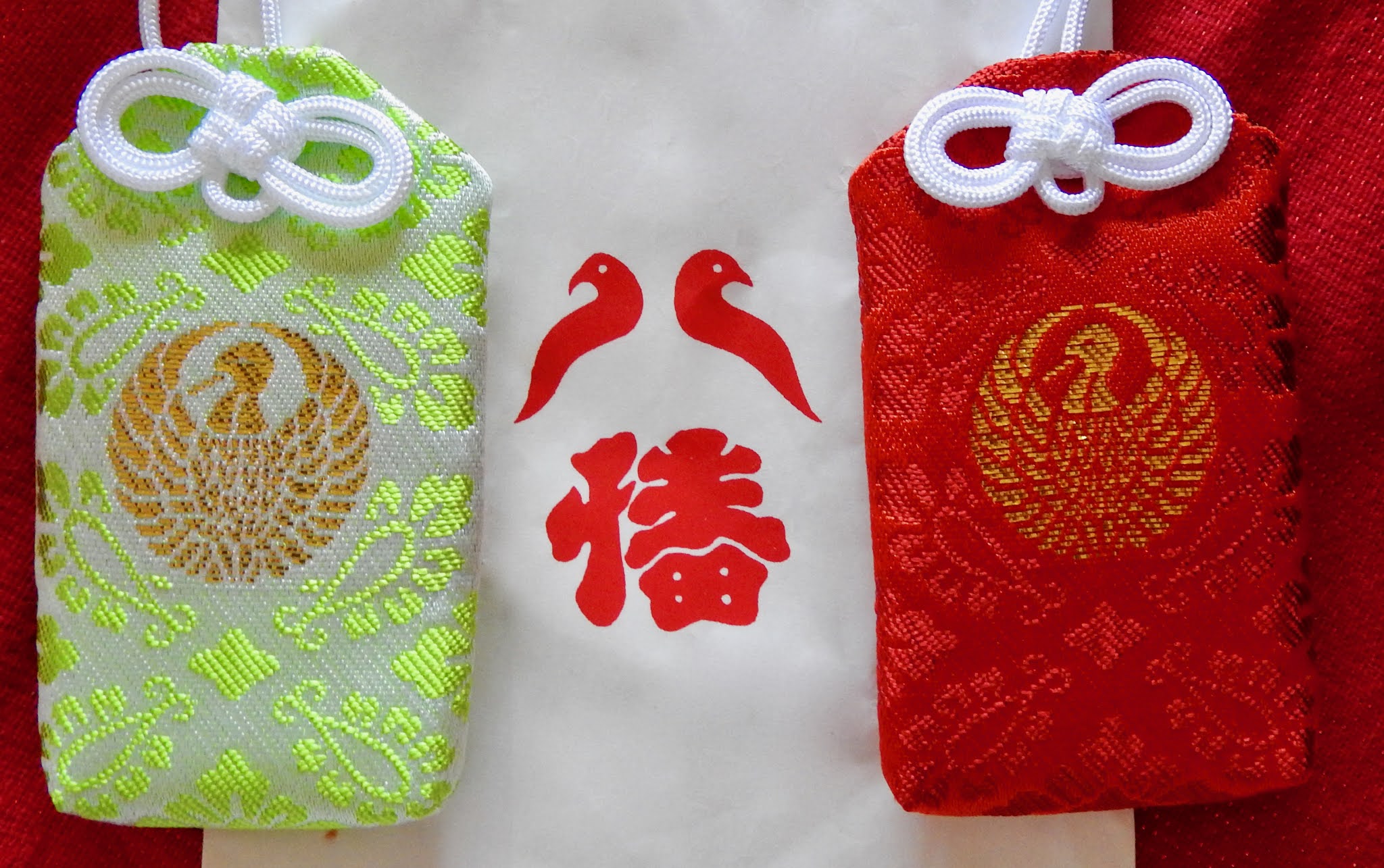
お守り
鶴岡八幡宮で初めて自分たちへのお守りを購入しました。

Charm 
We bought charms for ourselves for the first time 
at Tsurugaoka Hachimangū Shrine.
左が私用、右がR
買ってすぐその場で、私はお財布に
Rはリュックサックにつけました。

Left is for me, Right is for R
Immediately after we bought them,
 I put mine on my wallet and R put his on his rucksack.


おみくじも売られていましたがこちらは撮影のみ。

O-mikuji was also sold, but this is only for photograph.
O-mikuji are random fortunes written on strips of paper
at 
Shinto shrines and Buddhist temples.

カラフルなおみくじ
鶴岡八幡宮は色々な面で現代に合わせて
変化しているように感じました。

観光地で大きな神社はそれなりに大変なのだな〜と推測します。

Colorful O-mikuji
I felt that Tsurugaoka Hachimangū Shrine is changing 
in many ways to suit the present age.
I presume that a large shrine in a tourist area is difficult as it is.

次のセクションは、源平池などについてです。

The next section is about Genpei Pond and more.