2021年1月6日水曜日

① 2021年1月6日 鶴岡八幡宮 / Tsurugaoka Hachimangū Shrine, 6th of January, 2021

目次 / Contents
1) 鶴岡八幡宮へ / To Tsurugaoka Hachimangū Shrine
2) 段葛 / Dankazura
3) 参道 / Approach to the Shrine
4) 舞殿 / Dance Hall
5) 本殿へ / To Main Building


1) 鶴岡八幡宮へ 
    To Tsurugaoka Hachimangū Shrine
様々な雑事を片付けに、夫Rと揃って外出しましたが、それぞれの
目的が違うので、前半は、別行動でした。

二人そろったところで、鶴岡八幡宮にお参りに向かいました。
公式サイト : /

鶴岡八幡宮には、昨年の6月に源平池のところまではゆきましたが、お参りはしませんでした。
昨年6月の訪問 (下記)

なので、お参りするのは、とても久しぶりでした。

昨年6月に比べると、今回の人出はだいぶ多くありました。


To Tsurugaoka Hachimangū Shrine
I went out with my husband R to do various things, but since each purpose was different, the first half we separated.

When we got together, we headed to Tsurugaoka Hachimangū Shrine.
Official Website :  in English

We went to Tsurugaoka Hachimangū Shrine in June of last year to Genpei Pond, but I (we) didn't worship.
Last Visit, below.
So it's been a long time since I (we) visited.

Compared to June last year, the number of people this time was much higher.


2) 段葛 / Dankazura
二の鳥居
左右の狛犬がマスクをしていたので、笑いました。
マスクは、八幡様のマークの鳩の刺繍入りです。
参拝の際の注意事項が鳥居の右下にあり、マスク着用も事項の中に入っています。
狛犬のマスクはマスク着用を促すものでもありますし、
笑いを誘って気持ちをほぐす役目もあるのでしょう。

このアイディアは良いな〜と思いました。

Ni-no-Torii : Second Gate
Komainu : Lion-dogs : Guardian Dogs on the left and right are wearing masks, 
so I laughed.
The masks have been embroidered with pigeons marks of the Shrine.
At the bottom right of the gate, there are notes for people on their worship, 
and wearing a mask is also included in the notes.
Komainu's masks encourage people to wear the mask, 
and it may also have the role of inviting laughter and relaxing the feelings.
I thought this idea was good.


左の狛犬 / KOMAINU on the Left 


右の狛犬 / KOMAINU on the Right


段葛 
段葛は、二の鳥居から鶴岡八幡宮までの高い歩道です。
段葛は2014年より、改修工事が行われ、2016年に完成しました。
もう5年も前ですが、まだ、'新しい段葛'と呼んでしまいます。
鎌倉時代 (1183/ 1185  / 1192 - 1333) から続く、
'一の鳥居' から鶴岡八幡宮に向かうにつれて、

道幅が徐々に狭くなっている造りは、現在も踏襲されています。
遠近法によって実際の距離より長く見えるようになっています。
この造りは、鎌倉幕府が攻め込まれるのを防ぐためのものでした。
段葛は神社の境内の扱いで、神社の私道です。
 
Dankazura
Dankazura is a high sidewalk from Ni-no-Torii 
to Tsurugaoka Hachimangū Shrine.
Dankazura had been undergoing renovation work since 2014 
and was completed in 2016.
It's been five years ago, but I still call it 'New Dankazura'.
The structure has been kept 
since the Kamakura period (1183 / 1185  / 1192 - 1333),
 where the width of the road gradually narrows
 from 'Ichi-no-Torii : First Gate' to the Shrine, 
and is still being followed.
The perspective makes it looks longer than it actually is.
This structure was to prevent the Kamakura Shogunate 
from being attacked.
Dankazura is treated as the precincts of the Shrine
 so it is a private path of the Shrine.


狛犬を後ろから
大通りは若宮大路、この先に '一の鳥居' があり、
その先には相模湾があります。

Komainu from Behind
The main street is Wakamiya Ōji,
and there is Ichi-no Torii : First Gate ahead,

 and Sagami Bay beyond.


伝統的な鎌倉の地域地図
暗い色は平地を示します。

Traditional Kamakura Area Map
The darker colour indicates flat land.
画像は下記より/ This from below

段葛を歩きます。

行き交う人は、ほどほど...。昨年6月よりは人出があるのを感じました。


Walk through Dankazura.

The people who come and go are moderate ... I felt that there were more people than June last year.


3) 参道 / Approach to the Shrine
太鼓橋から本殿を見る

View the Main Shrine : Main Building
from the Taiko Bridge : 
Arch Bridge 


境目
この赤い橋 (昔は太鼓橋) は境目なのです。
橋を渡って境内へ入るとことは
俗界から神域へ入ることだったのだと言うことに、
今になって気がつきました。
鎌倉時代には、防御の役割も果たしていたのかもしれません。

Boundary
This red bridge (formerly Taiko Bridge) is the boundary.
I now realize that crossing the bridge 
and entering the precincts meant 
entering 'the sanctuary' : 'God area' from the world.
It may have also been defensive during the Kamakura period.


Tsurugaoka Hachimangū Shrine
Precinct Map


屋台は少し出ています。
昨年6月よりは人もお店も多く感じます。

There are a few food stalls.
I feel more people and shops than last June.


三機のヘリコプターが鶴岡八幡宮上空を飛んでいます。

Three helicopters are flying over Tsurugaoka Hachimangū Shrine .


流鏑馬 (ヤブサメ) の時に使用される道です。
上の写真
が東、が西の道で、馬は東から西へ走り抜けます。

This is the road used during Yabusame.
The road is east 
above and west below,
and horses run from east to west.


According to Wiki about Yabusame,
"Yabusame is a type of mounted archery 
in traditional 
Japanese archery."


流鏑馬・鶴岡八幡宮, 2014
Yabusame at Tsurugaoka Hachimangū Shrine, 2014

画像は下記より/ This from below


流鏑馬・鶴岡八幡宮, 2010
Yabusame at Tsurugaoka Hachimangū Shrine, 2010
画像は下記より/ This from below


手水舎
手水舎 (チョウズヤ) に柵が廻らされています。
どこで手を洗うのかしら?それとも洗わないの?と
疑問に思っていましたら、

手前にコロナ対策の臨時の手水の竹筒が設置されていました。

Chōzu-ya
A fence is laid around the Chōzu-ya which 
 is a Shinto water ablution pavilion for a ceremonial purification rite.
I was wondering, "Where do we wash our hands? 
or do we not wash them? "
And then I found there is a temporary bamboo tube 
for corona countermeasures next to Chōzu-ya.


手水舎では通常、柄杓 (ヒシャク)が使用されますが、
ここではコロナの影響で現在は使用されていません。

People usually use dippers in Chōzu-ya, 
although here, people can't use them
due to the influence of the corona.


一時的な造りでシンプルですが、なかなか上品です。

It's a temporary structure and simple, but it's quite elegant.


4) 舞殿 / Dance Hall
舞殿で祈祷が行われていました。
手前が舞殿、その上に本殿があります。

A prayer ceremony was being held in the Maiden :  Dance Hall.
The Dance Hall is in the foreground, and the main shrine is above it.


神社に初穂料 (ハツホリョウ) を添えて
申し込みをするとここに上がり、
神主 (宮司ではないと思いますが) さんが
祈祷してくださいます→

If you apply to the shrine with ceremony fee (Hatsuho-ryo), 
you will come up here and a priest will pray.


5) 本殿へ / To Main Building

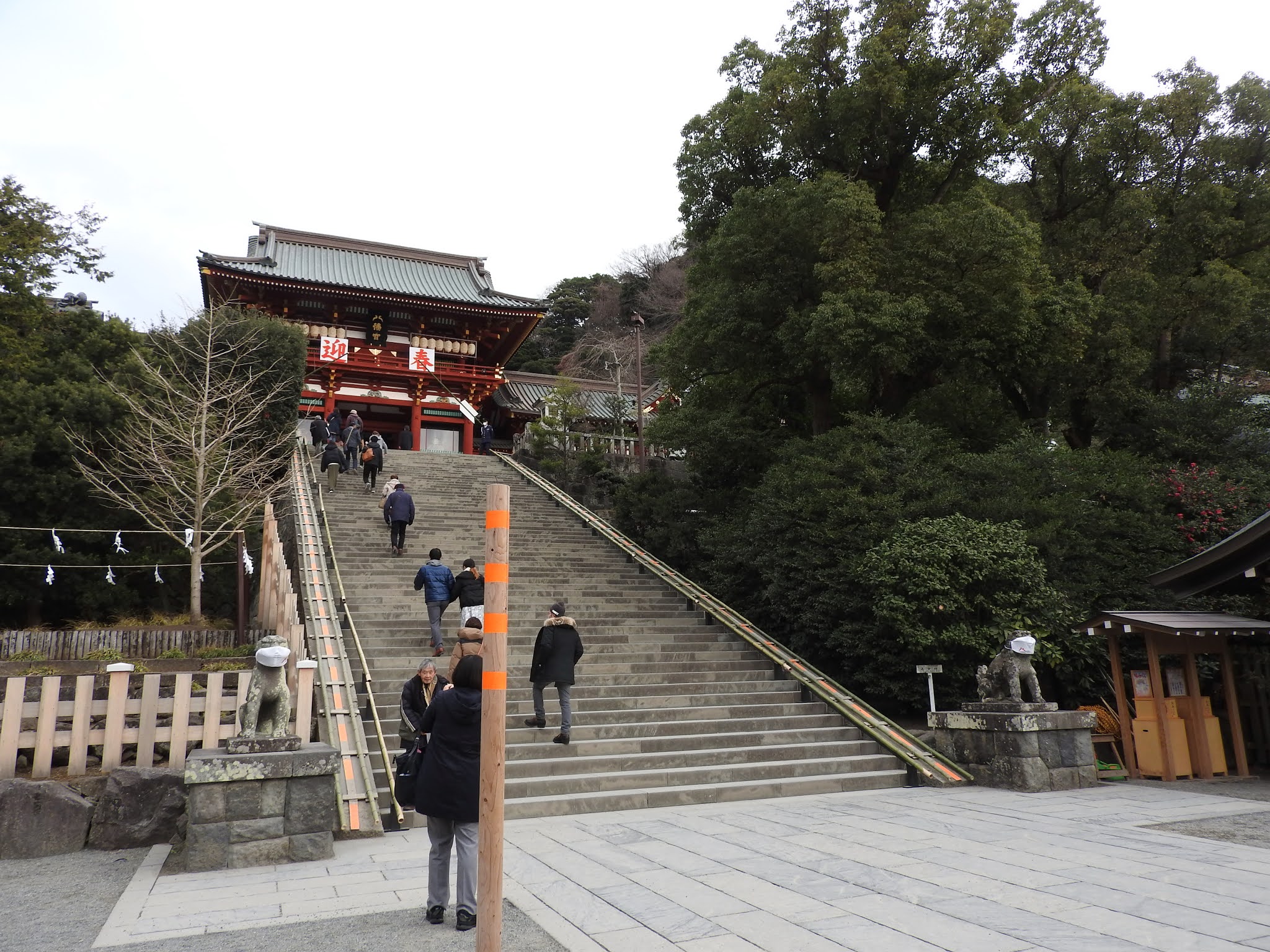
階段下の狛犬にもマスク!
Masks! for Komainu under the steps.


マスクが狛犬になかなか似合っていると
思うのは私だけ?

Am I the only one who thinks the masks go well
on Komainu?


階段から
階段を登りました。
運動不足なので、ちょっときつい...

From Step
I climbed the steps.
It was a little hard work for me 
because I don't have enough exercise ...


本殿
本殿内は撮影禁止。
ここでお参りします。
ここはいくらか混んでいるので、
後ろの方でお参りをすまそうとしたら、

Rが正面の一番前でお参りしたがったので、そうしました。
彼がこんな風に希望することは珍しいです....
真剣にお願いすることがあったのですね、きっと。
実は私も...
ここ何年も神社では世界平和しか祈っていませんでした。
でも今回は私的なことを祈ってしまいました。

Main Building 
Photographing is prohibited in the main shrine.
we pray here.
It was a little crowded here,
 though I thought we would pray behind some people, 
 R would worship in first line at the centre front, so we did.
It was very rare he had hope like this.
I'm sure he had a serious hope.
Actually me too ...
For many years, I have only prayed for world peace in shrines.
However, this time I prayed for something private.
巨大な破魔矢
巨大な破魔矢(ハマヤ)は左右に設置されていました。
以前お参りした時にはなかったと思います。
今年からなのか、どうかはわかりません。
破魔矢は魔除 (マヨケ) と思っていましたが一年の好運を
射止める縁起物でした。
ですが一部では邪気払い (ジャキバライ) の意味はあるようです。
なので魔除として購入する方もいると思います。

Huge Hamaya
Huge Hamaya : Arrows  were installed on the left and right.
I don't think they were there when I visited before.
I don't know if they are from this year.
I thought Hamaya was a demon killing arrow, 
but it was a lucky charm that caught the good luck of the year.
However, it seems that there is some meaning to dispel evil spirits.
So I think some people buy it as an Amulet.


お守り
鶴岡八幡宮で初めて自分たちへのお守りを購入しました。

Charm 
We bought charms for ourselves for the first time 
at Tsurugaoka Hachimangū Shrine.
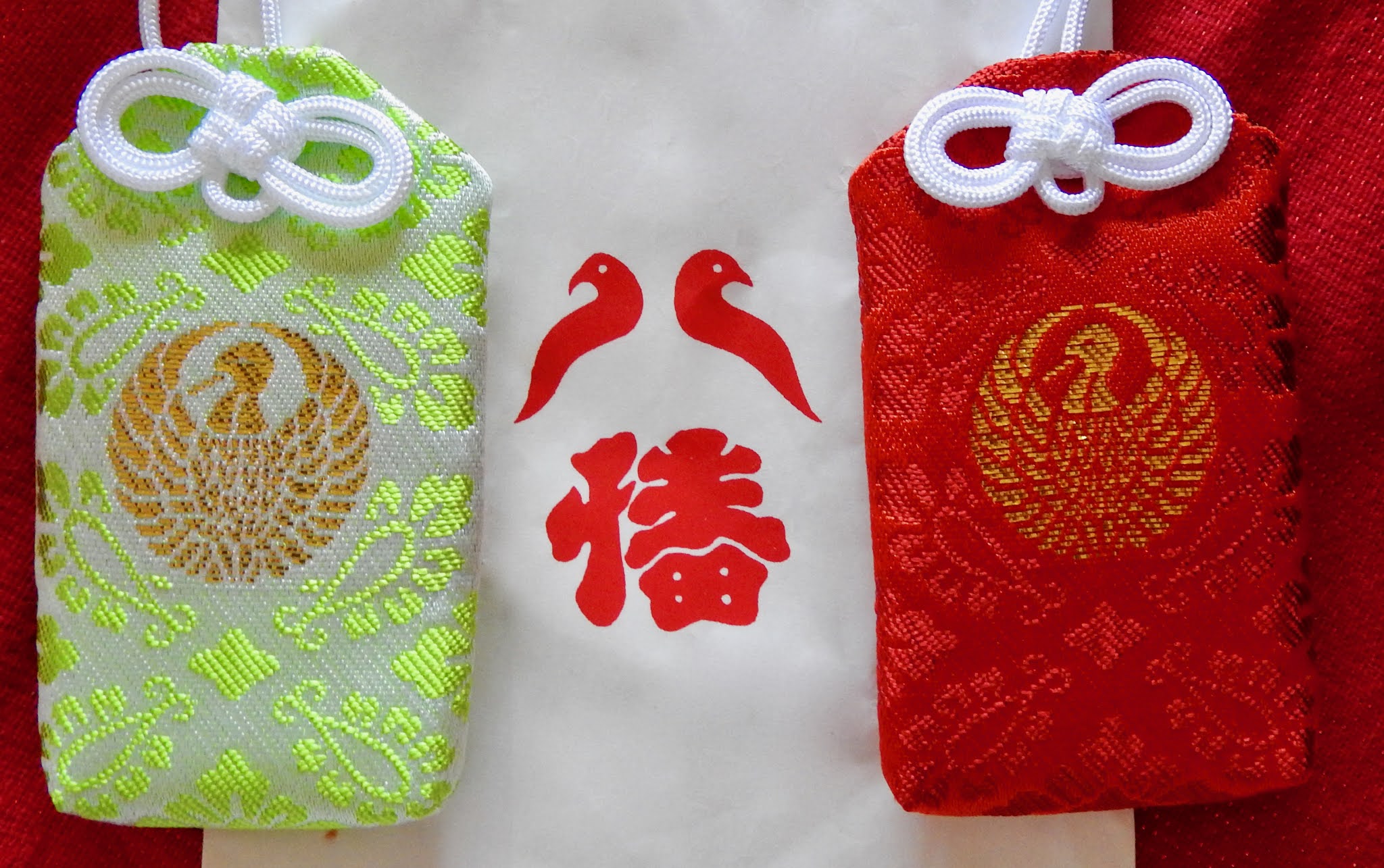
左が私用、右がR
買ってすぐその場で、私はお財布に
Rはリュックサックにつけました。

Left is for me, Right is for R
Immediately after we bought them,
 I put mine on my wallet and R put his on his rucksack.


おみくじも売られていましたがこちらは撮影のみ。

O-mikuji was also sold, but this is only for photograph.
O-mikuji are random fortunes written on strips of paper
at 
Shinto shrines and Buddhist temples.

カラフルなおみくじ
鶴岡八幡宮は色々な面で現代に合わせて
変化しているように感じました。

観光地で大きな神社はそれなりに大変なのだな〜と推測します。

Colorful O-mikuji
I felt that Tsurugaoka Hachimangū Shrine is changing 
in many ways to suit the present age.
I presume that a large shrine in a tourist area is difficult as it is.

次のセクションは、源平池などについてです。

The next section is about Genpei Pond and more.


2021年1月4日月曜日

2021年1月4日 『やがて満ちてくる光の』/ Kaho Nashiki's Book, 4th of January 2021

目次 / Contents
1) 小説家が書くエッセイ / Essays Written by a Novelist
2) 知識欲に誘われて / Invited by Thirst for Knowledge
3) 孤独 / Solitude
4) 読後に / After Reading


1) 小説家が書くエッセイ 
    Essays Written by a Novelist
2021年の最初の読書は、やがて満ちてくる光の
[2019 / 作:梨木香歩 (1959 ~) / 新潮社]
でした。

読了したのは、2021年ですが、実は購入は2019年、読み始めたのは昨年2020年です。

珍しくこの本はネットでなく本屋(東京・丸善)で買いました。

結構な量の本を買い溜めしているので、2021年にどれだけ読み進められるでしょう?

読んでいない本を読みたいのはもちろんですが、以前読んだけれども、また読んでみたい本もあります。

本当にどれだけの読書が私にできるのか、わかりませんが、昨年よりずっと多くの本が読め、内容的にもマシなのではないかと推測しています。

とにかく、1冊目が大好きな作家、梨木香歩さんの本であることは、好ましいスタートです。

"デビューから現在まで、25年の作家人生を映し出すエッセイ集"
というのが、この本のキャッチコピーです。

エッセイなので、合間合間の時間に少しづつ読み進めていました。

かなり間があいて読み始めることもありましたが、それでも良いと思っていました。

とにかく、ざ〜っと読み飛ばすような読み方をこの本はしたくないと最初から思っていたのです。

おかげで(?)、本がちょっとぼろっとした感じになってしまいました。

梨木さんの文章は私の魂を浄化させてくれます。

詩的な描写でありながら、歯の浮くような形容でも、ウケ狙いのような、唐突にこの世離れした描写でもありません。

コマーシャル化された読者サービスのような文章もなく、誠実でありつつ、美しさを兼ね備えた表現です。

彼女の美しい表現を喜んで味わい、品がある文章に癒されました。

梨木さんの律儀な人となりが文章の中にあります。

文章だけでなく、彼女の目に留まる物の基盤への観察眼も含めて、ライターやジャーナリストが書くエッセイでなく、紛れもなく、小説家が書くエッセイであると私は感じます。
(と私は書きましたが、私がライターやジャーナリストが書いたエッセイをたくさん読んでいる訳ではないので、これはあくまでも私の感想です)

"Yagate Michitekuru Hikarino" 
 [ 2019 / by Kaho Nashiki (1959 ~) 
 
Shinchosha Publishing]
画像は下記より/ This from below


Essays Written by a Novelist 
My first reading in 2021 was "Yagate Michitekuru Hikarino" : "It will soon be filled by Light".
(The title is translated by me, so it might not show the author's thought.)

I finished read it in 2021, but I actually bought it in 2019 and started reading it last year.

Unusually, I bought this book in a bookshop (Maruzen in Tokyo), rather than online.

I have quite an amount of books in stock, so how much can I read in 2021?

Of course I want to read books I haven't read, but there are books I've read before, but I want to read some of them again.

So I don't know how much I can really read, but I guess that I will read many more books than last year as well as the content is also better.

Anyway, the first book, by Kaho Nashiki, my favourite author, was a good start.

The catch phrase of this book is 
"A collection of essays that reflect the life of the author for the 25 years from her debut to the present."
(This is translated by me)

The book is an essay, so I read it little by little during the breaks.

Sometimes I started reading after a while, but I thought it was good.

Thanks to that (?), the book has become a little tattered.

Nashiki's writing purifies my soul.

Though it is a poetic depiction, it is neither too flowery, nor outlandish, nor aiming for comedy.

Her expressions are both sincere and beautiful, without being commercialized.

I was delighted to taste her beautiful expressions and was healed by the refinement of her sentences.

Nashiki's faithful character is shown in her writings.

I feel that it is not an essay written by a writer or a journalist, unmistakably an essay written by a novelist, including not only the writings but also the observing eye on the underlying object.
(I wrote like this, but I haven't read a lot of essays written by writers and journalists, so this is just my impression.)


2) 知識欲に誘われて 
    Invited by Thirst for Knowledge
梨木さんは博識で、様々な動植物、菌類そのほかがエッセイの中に
登場します。

生き物だけについてだけでなく、歴史や文献、社会問題も含めて、その知識と興味は膨大です。

元々彼女が知っていたこともでてきますし、旅の中で彼女が疑問に思った事柄を彼女が調べたこともでてきます。

私は自分が無知であるという自覚がありますが、無知であることをあまり気にしないというか、多くのことを知らなくても良いと、開き直ってもいます。

ところが梨木さんが描写している中に、知らないことがでてくると、知りたいなと思い、リサーチすることになります。

私の知識欲を刺激する本でした。

私は無知である分、読んでいる途中に何度もリサーチをすることになり、読書を何度も止めました。

彼女の感性に触れた興味に面白がってついてゆくのです。

それでも、本は会話と違い、時間が経ってもその部分は私を待ってくれるのでなんの支障もおきません。

支障があるとしたら、そうしてリサーチした事柄を次から次から忘れていってしまう自分の記憶です(苦笑)。

梨木さんが私が興味を持っていた植物や事柄について書いているところは、遠くにいるこの作家が近くにいるような気がして嬉しいです。

彼女の事実に基づく知識と彼女の感性による観察結果がミックスされているところも魅力的です。

彼女のように博学なら、同じ場所を旅行をしてもさぞや楽しみが多かろうと思います。

そう思うと、知識を拒んでいる私は、楽しみの機会を減らしているのかもしれません。

作家が描写している事実を追っていたら、いつの間にか、彼女のファンタジーの世界に迷い込んでしまいました...ということになっていることがとても好ましく感じます。

彼女の思考や物事の理解が私にとっては、'彼女のファンタジーの世界' に含まれますし、新しい見方や考え方も感じられました。

未熟な私には、この作家の全ての思考には、ついてゆけませんが、働いていない脳の部分を刺激され、活性化されます。

これがきっと、自分の魂を浄化させてくれるような気持ちにつながってゆくのでしょう。


Invited by Thirst for Knowledge
Nashiki is knowledgeable and there are various animals, plants, fungi and others which appear in the essay.

Not only about living things, but also history, literature, social issues, her knowledge and interests are enormous.

There are things she knew about originally, and during her trips she found other things to wonder about.

I'm aware that I'm ignorant, but I don't care too much about being ignorant or I think it's Ok I don't have to know a lot.

However, when Nashiki describes some things that I did not know, 
I would like to know about them and I did research.

This was a book that stimulated my thirst for Knowledge.

Because I was ignorant, I had to do research many times while reading, and stopped reading many times.

I enjoyed following her interests through her sensibility.

Still, unlike conversations, books wait for me over time, so there's nothing wrong.

If there is a problem, it is my memory, that I repeatedly forget what 
I had researched (Wry Smile).

When Nashiki writes about the plants and things that I was interested in, I'm glad that this writer who is far away, feels to me like she is nearby.

The mix of her factual knowledge and her sensibility in her observations is also fascinating.

If I were a scholar like her, I could have a lot more fun when traveling to the same places.

With that in mind, I, who refuses to know, may be reducing the chances of fun.

When I was following the facts that the author described, I found myself lost in her fantasy world ... I like it very much.

For me, her thoughts and understanding of things were included in 'her fantasy world', and I felt new perspectives and ways of thinking.

As an immature person, I can't keep up with all the thoughts of this writer, but it stimulates and activates the parts of my brain that were not working.

This will surely lead to feelings that purify my soul.


3) 孤独 / Solitude
私は、読書家ではないので、多くの本を読んではいませんし、一人の作家の作品を読破するような読み方もしません。

その私の読書の中で、梨木香歩作品はかなり読んでいます。

出版物の85%ほどは読んでいるかと思います。

このエッセイと過去に読んだ本との関わりを感じたり、自分が経験したこととの共通点を感じたりと予期せぬ楽しみもありました。

が、今回のこの本で初めて、この作家のこだわりに "孤独"というものがあると気がつきました。

梨木さんは、ネガティヴな出来事もポジティヴな見方に変え、物事や人をストレートに、感情的に、非難はしません。

そんな彼女が一見ネガティブな "孤独"に執着していることに多少の驚きを感じました。

梨木さんの愛読書が、ガブリエル・ガルシア=マルケス (1928 - 2014)の百年の孤独』(初版1967 / 日本語版1972/ 新潮社)であることは随分前から知っていましたし、百年の孤独』も2010年に読んでいます (下記)。

その時、梨木さんがその本の "あとがき" を書かれていることを知りました。

梨木さんのこだわりの "孤独"を知った今、百年の孤独』を読むと、2010年とはかなり違った感想を持つように思います。
(アマゾン、で百年の孤独』を注文しました!...読みたい本がまた溜まってゆく...)

"人は一人で生まれ、一人で死んでゆく"
とよく聞き、言われますが、これが、彼女の '孤独' につながってゆくのかもしれません。

だからこその、'生きている間の人との関わり' が貴重なのですよね。

これもよく言われ、聞きます。

梨木さんのこだわりや思いも、ここにあるように思います。

所詮、人は一人なのだから、闘うよりも、良い関わり方をという彼女の思いがあるのではないかと推測します。

それには相手への理解と尊敬の気持ちが必要であるということは、他の本で彼女は伝えています。
(このエッセイでも書いているのかもしれませんが、私は他の本での主張の方が印象に残っています....もちろん彼女は文学的表現でそれを伝えています

個人的な関わりについても、国際規模の関わりにつても、他の生き物と人間の関わりについても、彼女はそう思っているのではないかと思います。

梨木さんは、奇遇な出会いや出来事を大切にする姿勢を感じますが、それはその路線上にあるのではないかと思います。

それは、私が、'リンク' とか、'縁' を大切にすることと共通しているように思い、嬉しくなります。

梨木さんは、'リンク' とか、'縁' などという有体 (アリテイ) な陳腐な表現は使用しませんが。

キャッチコピーに、"デビューから現在まで、25年の作家人生"と謳われる長い期間で、テーマも別々のエッセイ集ですが、作者の根本的なものがあまり揺れていない、変わっていないのを感じます。

素敵なエッセイ集でした...読んで良かった〜!


Solitude
I'm not a reader, so I don't read many books, and I don't read through the works of a single writer.

In my reading, I read a lot of Kaho Nashiki's works.

I think I read about 85% of her publications.

I had unexpected pleasures, feeling the connection between this essay and her other books I had read in the past, and feeling the similarities with what I had experienced.

However, for the first time in this book, I realized that she has a thing about "Solitude".

Nashiki changes negative events into positive views and does not blame things or people straightforwardly and emotionally, who is obsessed with seemingly negative "Solitude", so I was a little surprised.

I knew for a long time that Nashiki's favourite reading was
[by Gabriel Garcia Márquez (1928 - 2014)  / First Edition 1967 / Japanese Edition 1972 / Shinchosha] 
and I read the book in 2010, below.

At that time, I found out that Nashiki wrote the "postscript" of the book.

Now that I know Nashiki's particular ideas about "Solitude", when 
I again read "Hundred Years of Solitude", I think I will have a very different impression from 2010.
(I ordered "Hundred Years of Solitude" from Amazon! ... The books 
I want to read will accumulate again ...)

"A person is born alone and dies alone"
Is often heard and said, but this may lead to her "Solitude".

That's why 'relationships with people while alive' are so valuable.

This is also often said and heard.

In my view Nashiki's particular ideas about "Solitude" are also like this.

I guess that she has an idea which anyway people have solitude, so people should have good relationships rather than fighting.

In other books she tells us that it requires understanding and respect for the other person.
(I may have written it in this essay, but I'm more impressed with the claims in other books..... Of course she conveys it in literary terms.)

I think she thinks so about personal relationships, international relationships, and humans relationships with other creatures.

Moreover, she thinks like that both personally and internationally.

I feel that Nashiki values coincidental encounters and events, and 
I think that this is along the same lines.

It makes me happy to think that it has something in common with my valuing 'links' and 'En'; Pratītyasamutpāda or Destiny.

However, Nashiki doesn't use popular and clichéd expressions such as 'link' or 'En'.

This book is a collection of essays with different themes over a long period of time, which is touted as "the life of the author for the 25 years from her debut to the present" in the catch phrase, but I feel that the fundamental things of the author have not vacillated so much and have not really changed. 

It was a wonderful collection of essays ... I'm glad I read it!


4) 読後に / After Reading
今まで書いてきたことは、全て、'読後に' に違いないのですが、読後すぐに思ったことは、
「ああ、梨木さんの物語の本が読みたい...」
ということでした。

新作でなくても良い、過去作品をゆっくりと読み直してみたいと思いました。

ですが、まあ、現在、読まずに積んでいる本の山を崩しにかかった身の上としては、残念ながら、そうもいかず...。

昨年、読みはしましたが、ブログに上げなかった本については、後々のセクションに書いてみたいと思います。


After Reading
Everything I've written so far must be 'after reading', but what I thought immediately after reading was
"Oh, I want to read books which are Nashiki's novels. ..."

I wanted to slowly reread her past works, which do not have to be new works for me.

But, unfortunately, that's not the case for me as I am about to reduce a pile of books, by reading, that I haven't read yet.

I'll write about books I read last year but didn't post on my blog in later sections.
 

2021年1月3日日曜日

2021年1月3日 金柑の甘煮 / Sweet Boiled Kumquats, 3rd of January 2021

目次 / Contents
1) 金柑の甘煮/ Sweet Boiled Kumquats
2) 苦味 / Bitterness 


1) 金柑の甘煮 / Sweet Boiled Kumquats
 金柑 
 金柑 (キンカン) を見ると祖母を思い出します。
祖母と父が金柑の甘煮が好きで祖母が甘煮を作っていましたが
子供の私は好きではありませんでした。
甘みの中にある苦味が苦手でした。
この
金柑の木は、実家近くにありますが、
昨年暮れまで、その存在に気がつきませんでした。


Kumquat 
Seeing Kumquat reminds me of my grandmother.
My grandmother and my father liked Sweet Boiled Kumquats
 and she made it, but as a child I didn't like it.
I did not love the bitterness in the sweetness.
This kumquat tree is near my mother's house where I grew up, 
but I didn't notice it until late last year.


2) 苦味 / Bitterness 
この金柑の木は、食用というよりも観賞用としての庭木であるように見えます。

食卓に上 (ノボ) る金柑と庭木の金柑が、幼い私には関係づけられなかったのではないかと思います。

母は昨年12月に急に手術入院し、無事退院、その後は車で姉宅へ移動し滞在していました。

2日に姉と合流して母を実家へ送り、掃除、片付け、料理をして3日に姉と二人で実家を離れました。

つい最近まで、多くの母娘間にある、長年に渡る言い争いが私達にもあり、うんざりしていましたが、今回は姉と母との口論を聴きながら、こういうのも幸せなことなのかもしれない...と感じました。

幸せかもしれないと感じたのは、初めてのことでした。

ですが、自分と母との口喧嘩では、そんな風にはとてもまだ感じられません (苦笑)。

昨年末に、夫Rに私達の口喧嘩の話をしていると彼は突然笑い出して
「コメディドラマのようだ」
という感想を述べました。
「コメディ!?」
びっくりしてそのコメントを聴きましたが、そういえば、何度かそんな経験を...、人に母とのことを話したときに笑い出されたことを思い出しました。

母との口喧嘩は、金柑の甘煮の中にある苦味のようなものなのかもしれません。

最近は、金柑の甘煮を食べる機会がなく、自分でも作らないので、いつ最後に食べたのか思い出せません。


Bitterness 
This kumquat tree looks more like an ornamental garden tree than having edible fruits.

I think that  to me as a young child the kumquats on the table and the tree in the neighbour's garden could not be related.

In December last year, my mother was suddenly hospitalized for surgery, was discharged safely, and then went to my sister's house by car and stayed there.

I joined my sister on the 2nd, we went with our mother to her house, cleaned, cooked, and so on, and we left there on the 3rd.

Until very recently, we were both tired of the many disputes over many years, as between many mothers and daughters, but this time, while listening to the quarrels between my sister and mother I felt that this might be a happy thing.

I realized that I felt the quarrels might be happy, it was the first time. 

However, in the disputes between myself and my mother, I still don't feel that way (Wry Smile).

At the end of last year, when I was talking to my husband R about our quarrels, he suddenly laughed and commented
"It's like a comedy drama"
"Comedy!?"
I was surprised to hear the comment, but by the way, I remember having such an experience several times ... and being laughed at when I talked to people about my mother.

The quarrels with my mother may be like the bitterness in Sweet Boiled Kumquats.

Recently, I haven't had a chance to eat Sweet Boiled Kumquats, and 
I don't make them myself, so I can't remember when I last ate one.